Rumbbo Cities

Santo Domingo de los Tsáchilas

Biodiversity, ancestral culture and vibrant nature in the heart of Ecuador

Travel with Rumbbo

Arrive comfortable and safe. Book your seat from the app.

Download Rumbbo and travel today

Santo Domingo de los Tsáchilas surprises every first-time visitor. Nestled in the transition zone between the Coast and the Amazon, its natural and cultural richness makes it one of Ecuador's most fascinating destinations. At Rumbbo, we've had the privilege of taking hundreds of travelers to this lush land, and every time we cross the Andes toward Santo Domingo, the landscape never ceases to impress.

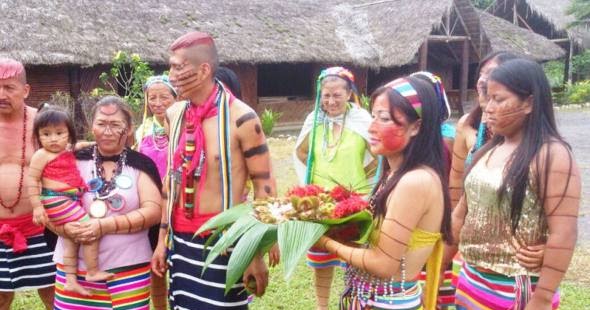
The province is home to the Tsáchila people, known as the "Colorados" for their tradition of painting their hair with achiote. Their ancestral culture, healing rituals and deep connection with nature make Santo Domingo a unique experience that goes far beyond conventional tourism. If you're planning to visit the city, Rumbbo offers direct transfers from Quito — comfortable and punctual — so your adventure starts well from the very first kilometer.

Bosque Protector La Perla

Bosque Protector La Perla

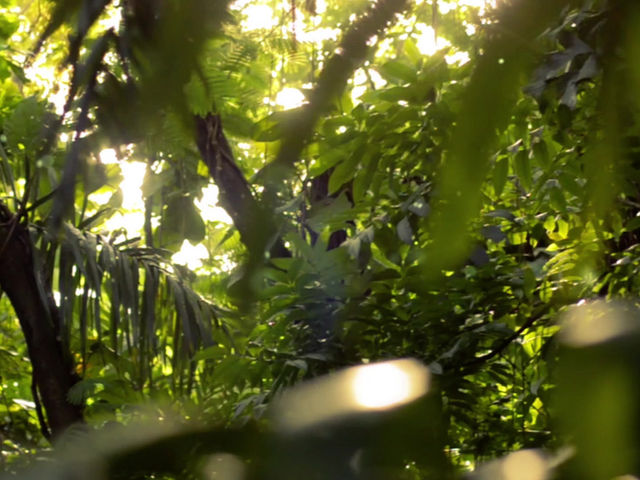
One of the last remnants of humid tropical forest in western Ecuador, the Bosque Protector La Perla is an ecological treasure covering nearly 300 hectares in the La Concordia canton. Formally protected by the Susan Sheppard Foundation, this forest is considered a "hotspot" of mega biological diversity — a term reserved for the planet's richest ecosystems.

As you walk its environmental interpretation trails, the tropical forest envelops you with the song of toucans, parrots and hummingbirds. Hanging bridges over the forest canopy offer a privileged perspective, while cascades and streams invite you to slow down. For those arriving from Quito with Rumbbo, La Perla is the ideal starting point to understand why Santo Domingo is called the "capital of the climate."

Source: more information on Viajandox
Alluriquín and Its Waterfalls

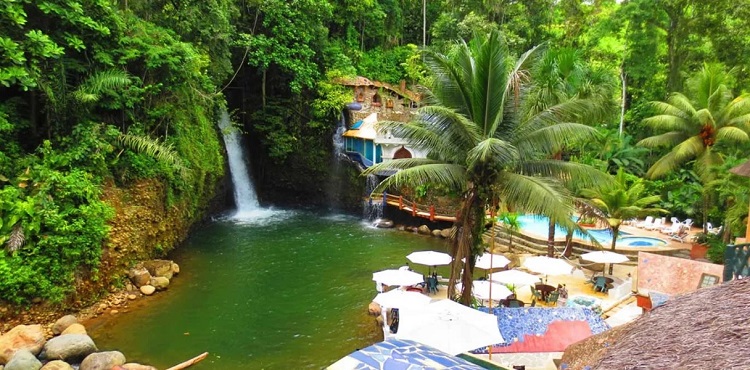
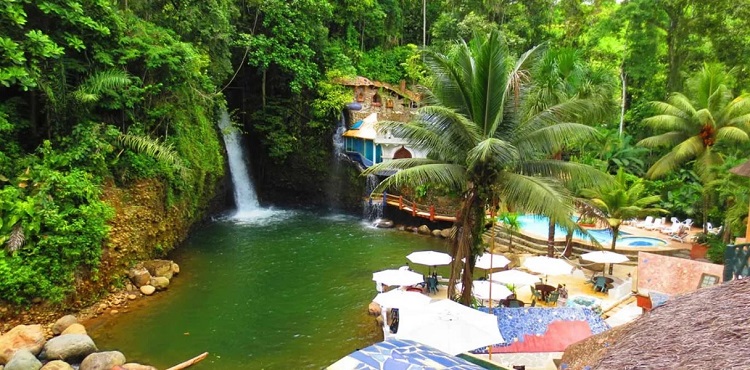
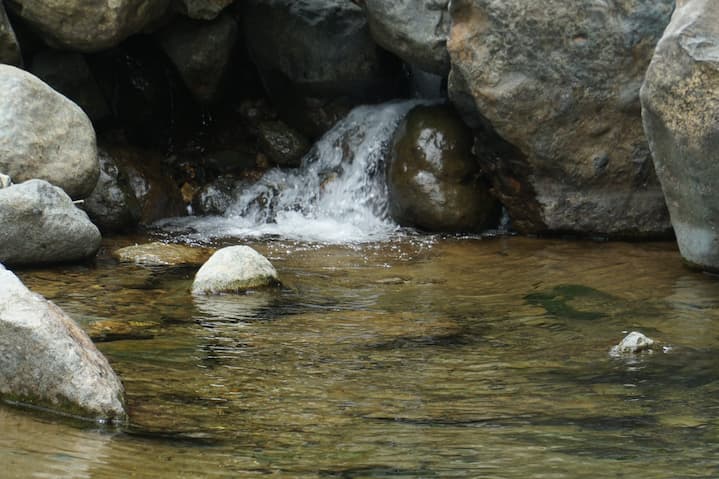
The rural parish of Alluriquín holds one of the best-kept secrets in the province: seven spectacular waterfalls tumbling through lush vegetation and mountain trails. The most famous is the Cascada del Diablo (Devil's Waterfall), reached by climbing narrow paths where, according to local legend, even mules refused to pass.

The Alluriquín territory is much more than a village on the highway: it's a paradise for adventure tourism and nature connection. Its crystal-clear rivers, tropical fruit crops and subtropical energy make every visit a soul-renewing experience. Travelers arriving from Quito can go and return the same day thanks to Rumbbo's frequent schedules.

Source: details about Alluriquín on Turisec

Alluriquín and Its Waterfalls
Valle Hermoso

Valle Hermoso

The name says it all. Valle Hermoso is the place where time seems to stand still among green mountains, winding rivers and a calm that few cities can offer. Located in the Santo Domingo canton, this valley is perfect for those seeking an unplugged escape: leisurely hiking, fishing in quiet rivers, horseback riding through landscapes and picnics by the water.

The local community keeps alive its agricultural traditions and rural way of life, making a visit to Valle Hermoso a lesson in authenticity. It's the kind of destination that passing tourists discover by chance but always want to return to. With Rumbbo you can arrive in Santo Domingo and easily organize the excursion from there.

Source: tourism profile from the Parish Government

Comuna Congoma — Tsáchila Culture

The Congoma commune is one of the most authentic Tsáchila indigenous communities in the province. Located in the Puerto Limón parish, about 20 kilometers from the road to Quevedo, it is home to about 620 people in a territory of more than 2,000 hectares traversed by the Congoma river and its streams.

Visiting Congoma means immersing yourself in the Tsáchila worldview: their healing rituals, their deep relationship with the forest and their millennia-old agricultural practices. The Tsáchila have maintained their identity despite development pressure, and their community centers offer visitors an intimate glimpse into a culture that deserves to be known and respected.

Source: community tourism guide at Kasama

Comuna Congoma — Tsáchila Culture
Jardín Botánico Padre Julio Marrero

Jardín Botánico Padre Julio Marrero

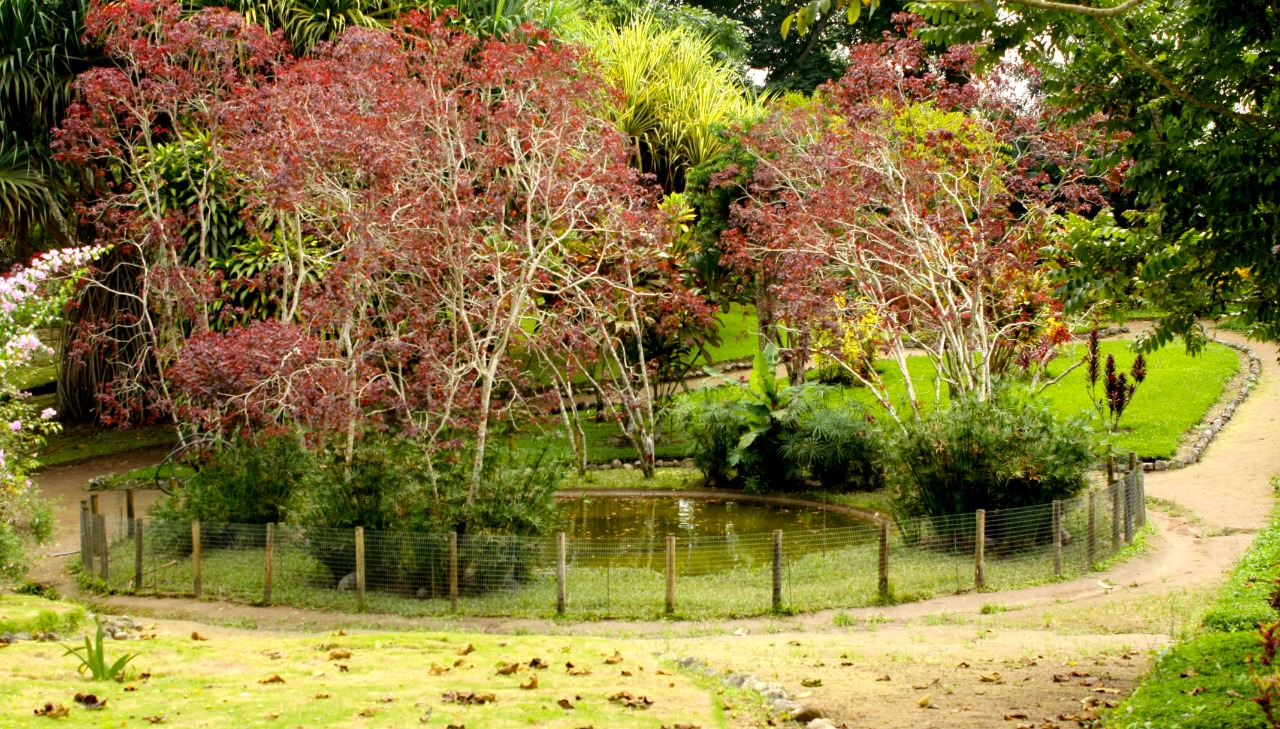
Created in 1999, the Padre Julio Marrero Botanical Garden is a 17-hectare refuge dedicated to conserving the flora of the Chocó biogeographic region, one of the most biodiverse on Earth. The garden works on two fronts: thematic exhibition of plant species in specialized areas and active regeneration of secondary forest.

The palm tree area is especially impressive, featuring species such as the pambíl (Iriartea deltoidea), tagua (Oenocarpus bataua) and the walking palm (Socratea exorrhiza). For researchers, educators and plant lovers, this garden is a must-stop on any visit to Santo Domingo. Ecuador's Ministry of Tourism supports its importance as a center for plant conservation.

Source: Ecuador Ministry of Tourism

Cerro Bombolí — Natural Viewpoint

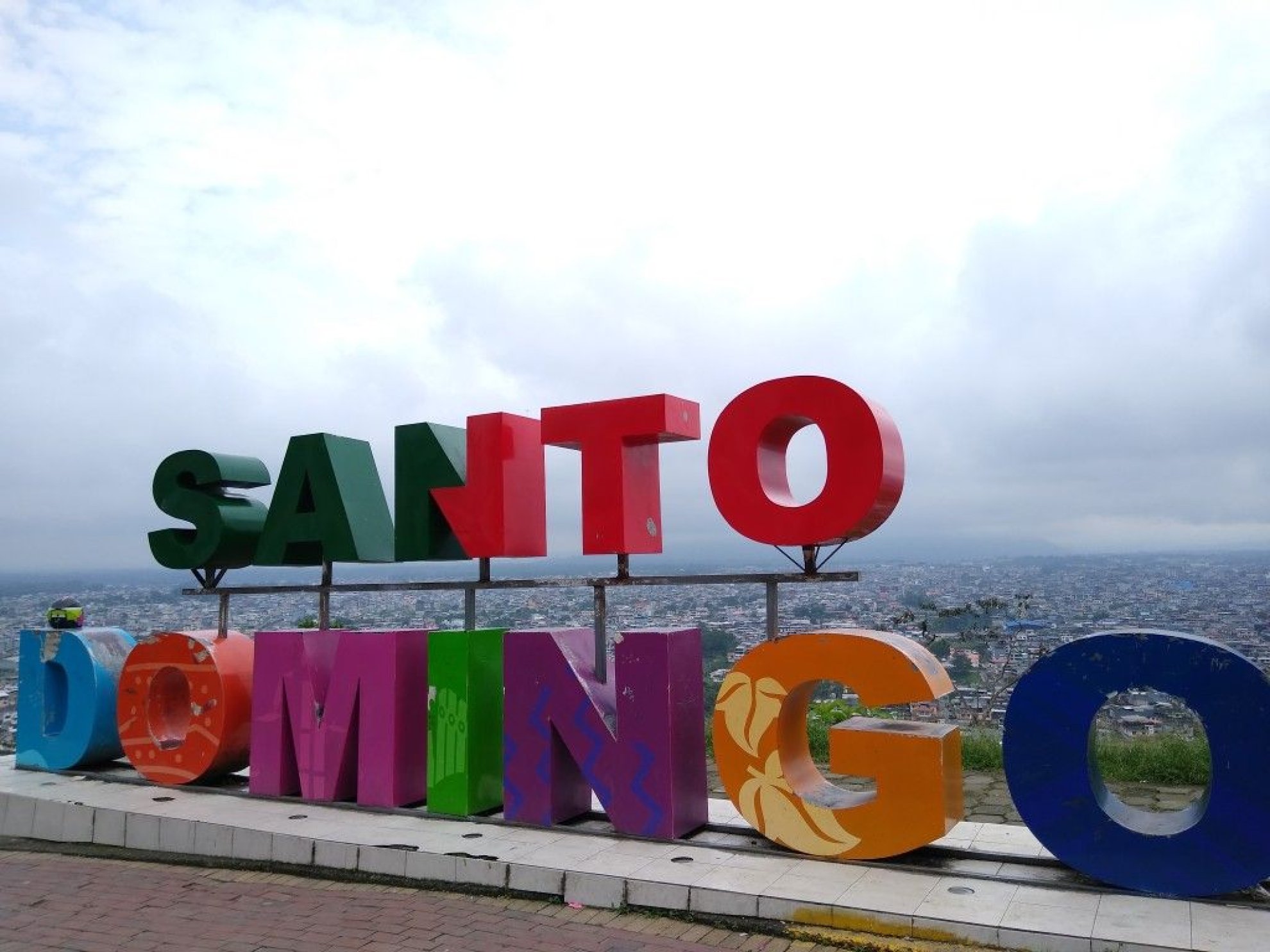
Cerro Bombolí is Santo Domingo's iconic landscape. From its summit, the canton unfolds in all its splendor: mountains blending into the horizon, the lush green covering every hillside, and the bustle of the city that from up there gains a whole new perspective. Alongside the viewpoint stand the Sanctuary of the Virgen del Cisne and a municipal park.

The EMETEL repeater stations, belonging to the army, also crown this historic hill. For photographers and viewpoint enthusiasts, Bombolí is a must. If you arrive with Rumbbo from Quito, you can climb the hill in the afternoon and bid farewell to the city with the best postcard before heading back.

Source: full description on BuenTrip

Cerro Bombolí — Natural Viewpoint
Santa María del Toachi

Santa María del Toachi

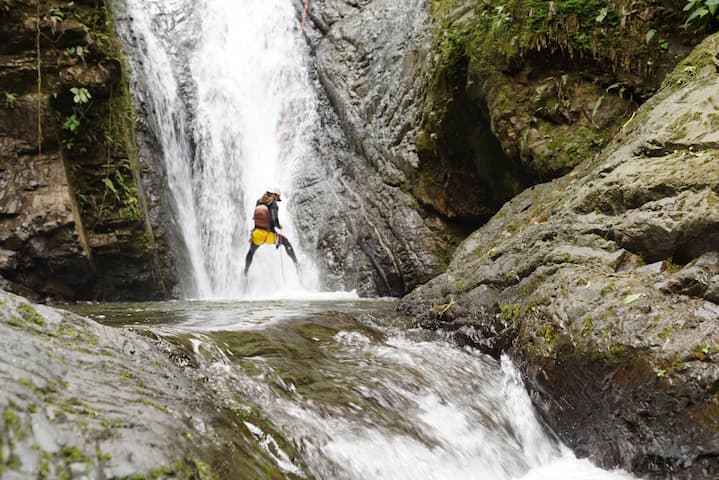
At the southern tip of the province, the parish of Santa María del Toachi holds a set of thirteen waterfalls amid primary forests in their purest state. The section of the Illinizas Ecological Reserve that penetrates this territory makes it an ideal setting for hiking, birdwatching and camping under the stars.

Toachi's waterfalls are the setting for activities like canyoning and rappelling, with drops reaching up to 20 meters. But the gastronomy also has its place: fritadas, chicken broth and stew are the perfect end to an adventure day. Ecuador's Ministry of Tourism highlights this destination as one of the most complete in the region.

Source: Ministry of Tourism — Santo Domingo and Manabí

Centro Cultural Mushily (Abraham Calazacón)

The Mushily Tourist Center, founded by Abraham Calazacón — a fourth-generation descendant of the Calazacón family — is one of Santo Domingo's most authentic cultural experiences. Its modern architecture with elegant rustic touches, its gardens and the viewpoint overlooking the Chiguilpe river create an atmosphere that blends contemporary comfort with the Tsáchila soul.

Each cabin functions as an ethnographic museum: traditional kitchen, healing rituals, clothing, crafts and archaeological remains tell the story of a people that has survived time with dignity. The Mushily Center offers one of the richest experiences for understanding the Tsáchila worldview. A visit here is the best way to close a trip to Santo Domingo.

Source: Mushily Tourist Center at the Chiguilpe community

Centro Cultural Mushily (Abraham Calazacón)
Zoológico La Isla del Tapir

Zoológico La Isla del Tapir

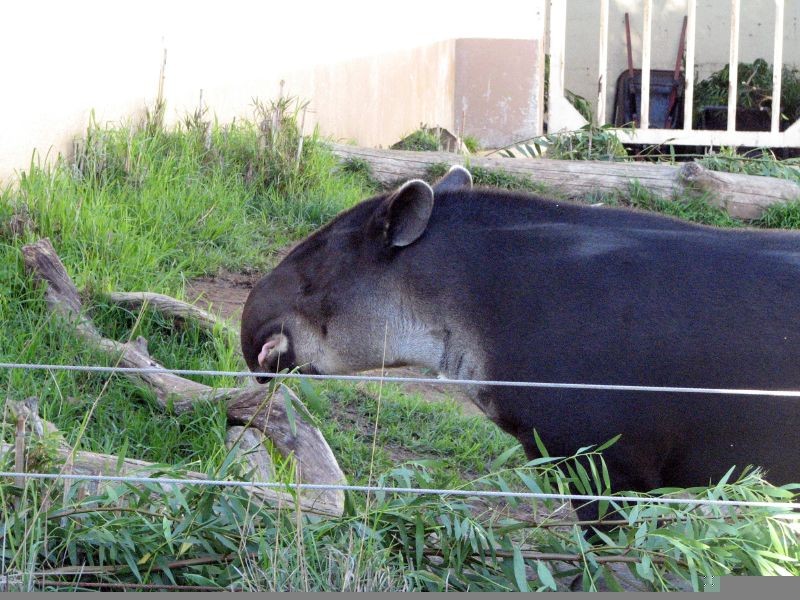
Founded in 2015 by Néstor Díaz, the Isla del Tapir Zoo was born as a rescue center for wild birds and animals that were being illegally traded in the area. Today, on its 80 hectares at kilometer 21 of the La Concordia road, it houses a great variety of species: mammals, colorful birds, reptiles and farm animals.

The zoo's mission goes beyond exhibition: to educate, inspire and conserve is its motto. Each enclosure has been designed with animal welfare in mind, with spacious habitats similar to each species' natural environment. It is one of the most visited family destinations in the region and a perfect stop for those traveling with children. Baird's tapir, an emblematic species of the American tropics, is the symbol of this unique place.

Source: Zoológico La Isla del Tapir — About Us

San Jacinto del Búa

The parish of San Jacinto del Búa is a slice of agricultural, serene Ecuador. Its lands produce plantain, coffee, cacao, passion fruit, orange and yuca, and daily life revolves around crops and community life. For city visitors, this territory offers the perfect counterpoint: calm, authenticity and direct contact with the land.

Balneario tourism has its most relaxed expression here. Spots like Vista Hermosa, Poza del Tigre and El Descanso are gathering points where families and groups of friends enjoy fresh water, hammocks and local gastronomy. A perfect destination for total rest, especially as the closing chapter of a trip to Santo Domingo.

Source: San Jacinto del Búa tourism portal

San Jacinto del Búa

Travel with Rumbbo

Book your trip quickly and safely.

Download Rumbbo and travel today