Rumbbo Cities

Quito

World Cultural Heritage, between volcanoes and centuries of history

Travel with Rumbbo

Arrive comfortable and safe. Book your seat from the app.

Download Rumbbo and travel today

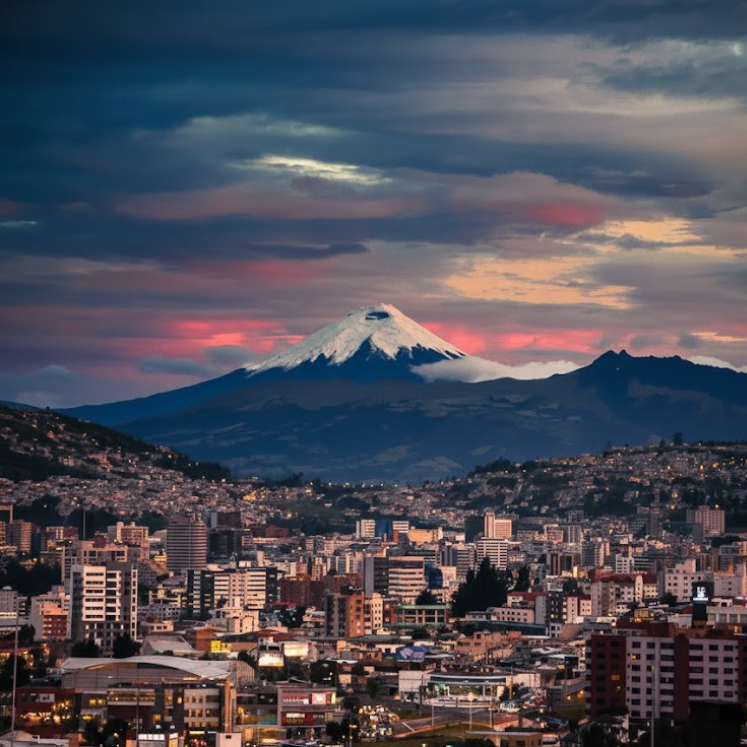
Quito is not just Ecuador's capital: it is one of the most extraordinary cities in Latin America. Declared a World Cultural Heritage Site by UNESCO in 1978, the city treasures the best-preserved historic center on the continent, baroque churches that seem lifted from another century, and viewpoints that reveal a city wedged between volcanoes and clouds. Every time Rumbbo takes travelers from Santo Domingo to Quito, the climb through the Andes is a spectacle in itself.

But Quito is also a living, modern and constantly evolving city. Its gastronomic, cultural and nightlife offer rivals any Latin American capital. From the cobblestoned alleyways of the Historic Center to the cosmopolitan buzz of La Mariscal, the city offers layers of experiences that can fill days. If you haven't visited recently — or ever — Rumbbo takes you there comfortably and on time from Santo Domingo.

Historic Center of Quito

Historic Center of Quito

The Historic Center of Quito is the largest and best-preserved in Latin America, and the first Latin American site declared a World Cultural Heritage. Its historic neighborhoods — El Tejar, San Juan, San Marcos, La Tola, San Roque, La Ronda and Mamá Cuchara — are a labyrinth of colonial churches, cobblestone squares, museums and daily life that coexist seamlessly.

Exploring the Historic Center on foot is the best way to absorb the city's atmosphere. Every corner reveals an architectural detail, a mural, a story. The museums in this district — the City Museum, the Carmen Alto, the Numismático — offer hours of discovery. The Quito Tour Bus travel guide is an excellent resource for orienting your visit.

Source: complete guide at Quito Tour Bus
Plaza de la Independencia (Plaza Grande)

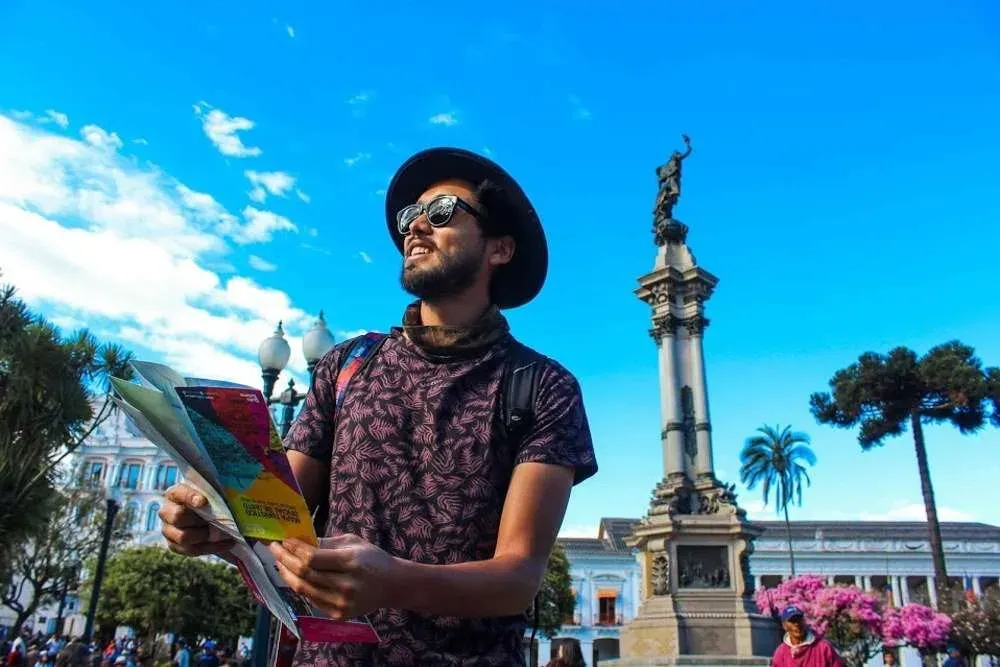
Known locally as Plaza Grande, the Plaza de la Independencia is the beating heart of Quito's historic center. On its edges stand four buildings that concentrate centuries of power and faith: the Palacio de Carondelet (presidential palace), the Metropolitan Cathedral, the Archbishop's Palace and the Municipal Palace. No visitor should leave Quito without sitting on its benches to watch history pass by.

On weekends, the square comes alive with vendors, musicians and antique photographers. Surrounding restaurants and cafés offer traditional Quito cuisine with incomparable views. It is also the natural starting point for exploring the rest of the historic center on foot.

Source: more about Plaza Grande at Quito Tour Bus

Plaza de la Independencia (Plaza Grande)
Church of San Francisco

Church of San Francisco

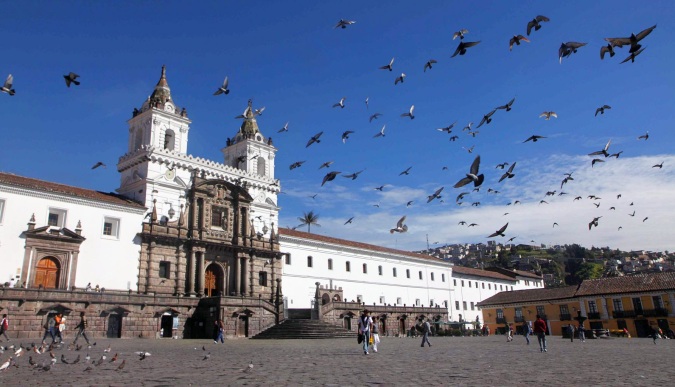
The Church and Convent of San Francisco is the largest architectural complex in all Latin American historic centers, earning it the nickname "the Escorial of the New World." Its construction spanned over 150 years, blending Gothic, Renaissance, Baroque and Mudéjar styles in a synthesis that only time and faith can produce.

Inside, the gold-leaf main altar and paintings from the Quito School bear witness to colonial artistic splendor. The square that bears its name is one of Quito's most photogenic spaces, especially at dawn when golden light strikes the stone facade. The Virtual Cervantes Center dedicates a virtual tour to this architectural gem, recognizing its universal value.

Source: virtual tour of San Francisco at Centro Cervantes

El Panecillo and the Virgin of Quito

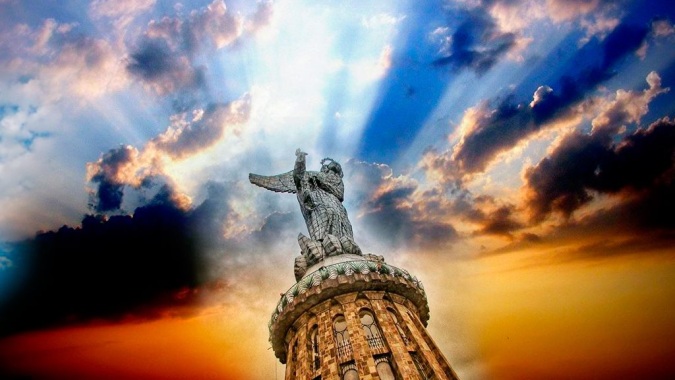
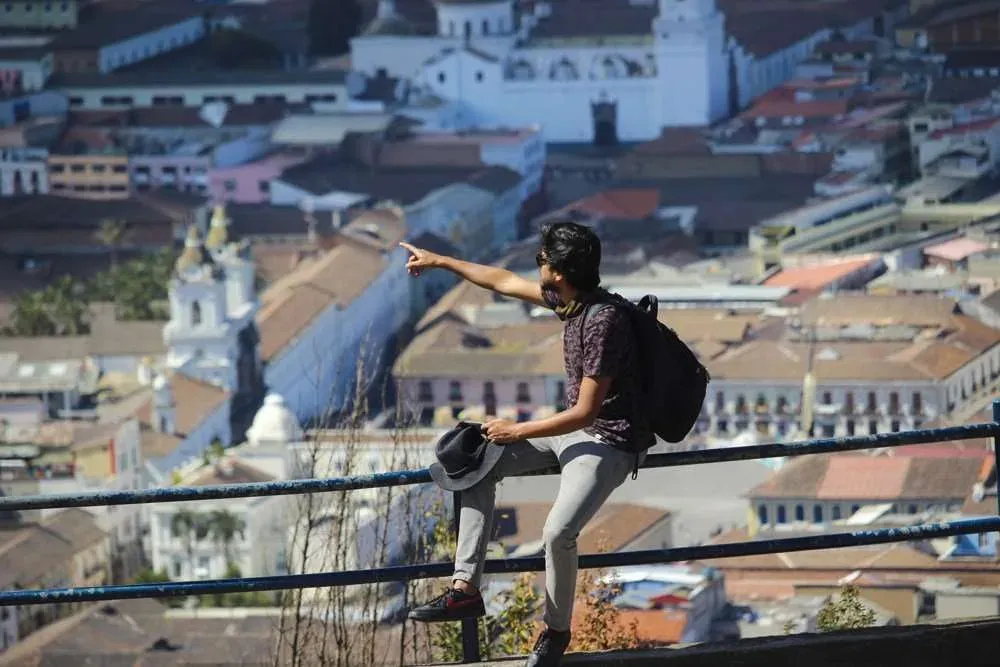
El Panecillo is Quito's most iconic natural viewpoint. From its summit, the city spreads in all directions between snow-capped volcanoes and valleys dissolving into the horizon. Crowning the hill, the Virgin of Panecillo — a 45-meter aluminum sculpture representing the Virgen de Quito by master Bernardo de Legarda — is the capital's most recognizable landscape icon.

Inside the base of the sculpture, a museum explains the construction details and leads to a panoramic viewpoint. Experts recommend ascending by private vehicle for safety, especially in the mornings or at dusk when the view is most spectacular. Pichincha Es Turismo recommends this visit as part of the province's top tourist attractions.

Source: detailed description on Pichincha Es Turismo

El Panecillo and the Virgin of Quito
TelefériQo de Quito

TelefériQo de Quito

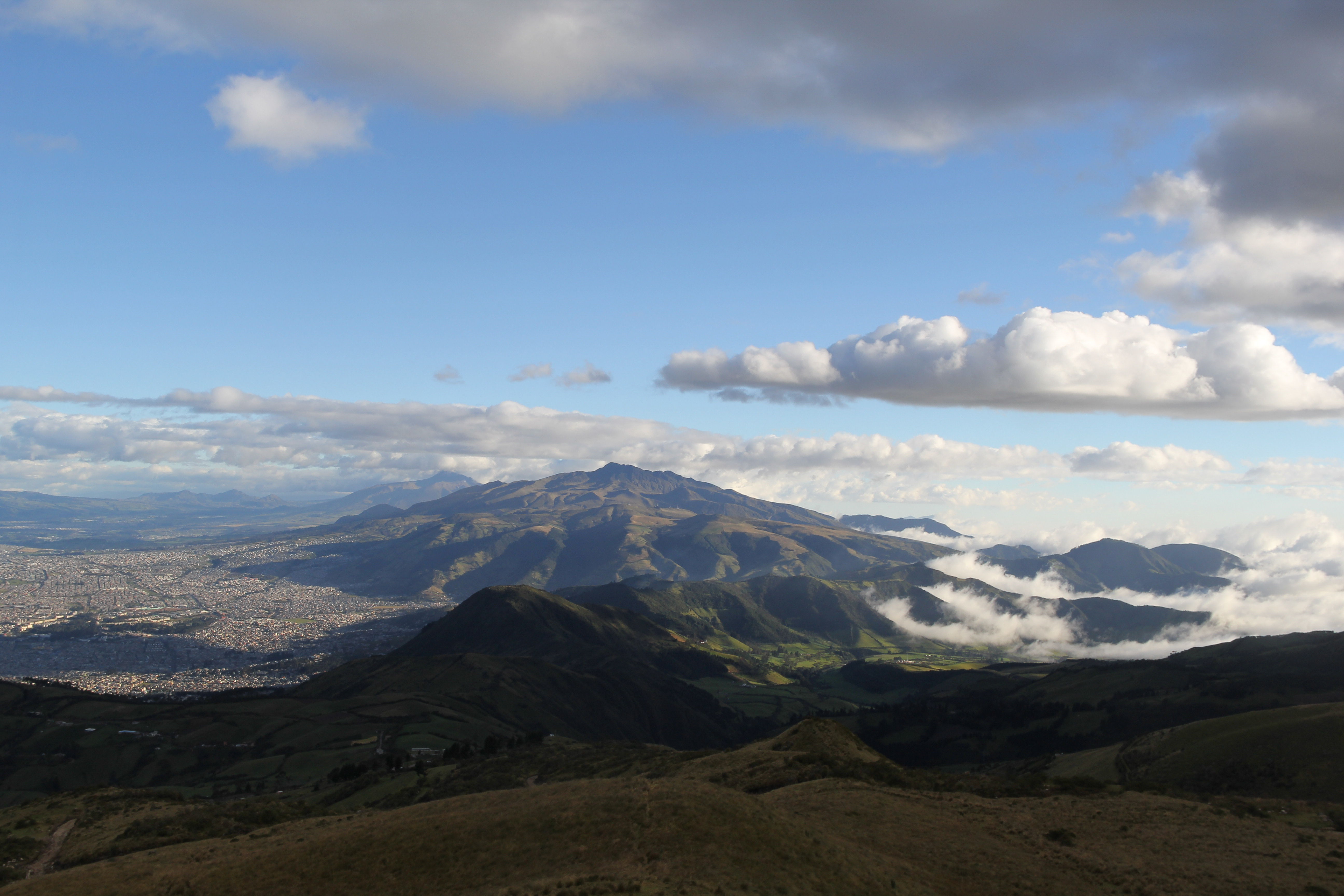
The TelefériQo de Quito is one of the highest cable cars in South America and an unparalleled experience. In just 18 minutes, it ascends from 3,117 to 3,947 meters above sea level on the Rucu Pichincha volcano, revealing panoramas spanning the entire city, the Avenue of Volcanoes and, on clear days, snow-capped peaks like Cotopaxi and Chimborazo.

At the summit, páramo trails invite a walk among frailejones, partridges and Andean wolves. On exceptional days, Andean condors can be spotted soaring above the peaks. For those arriving from Santo Domingo with Rumbbo, the cable car is the perfect closing chapter of a day in Quito: nothing better summarizes the grandeur of this city than seeing it from the roof of the Andes.

Source: activities and schedules at teleferico.com.ec

La Ronda — Quito's Oldest Street

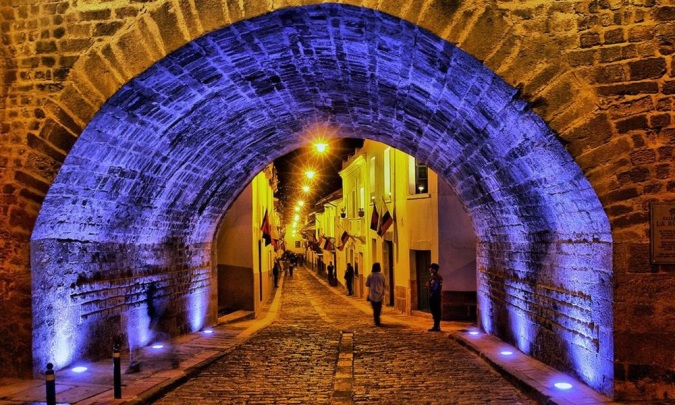
The street of Juan de Dios Morales — popularly known as La Ronda — is Quito's oldest artery and one of the most photogenic corners of the historic center. Its name comes from the colonial guards who patrolled it. What we now know as the 24 de Mayo boulevard was, until 1926, the Jerusalén ravine: a network of tunnels connecting strategic points of the city.

Today, La Ronda is a promenade of flower-filled colonial balconies, artisan workshops, paila ice cream parlors and Quito cuisine restaurants. On weekends, musicians and artists fill the street with vibrant energy. It is the place where Quito's history and present coexist most naturally and charmingly.

Source: history and visit on Pichincha Es Turismo

La Ronda — Quito's Oldest Street
Capilla del Hombre — Guayasamín

Capilla del Hombre — Guayasamín

The Capilla del Hombre is the most powerful monument to 20th-century Latin American art. Designed by master Oswaldo Guayasamín as a tribute to humankind and its struggles, this stone structure simulating a pre-Hispanic pyramid houses impressive murals like "Los Mutilados" and the "Faces of America" series. The "Eternal Flame of Human Rights" is designed so sunlight illuminates it without casting shadows.

Next to the Chapel is the Casa Museo Guayasamín, where the artist's remains rest beside the "Tree of Life." Located in the Bellavista neighborhood, the complete visit to both spaces is a transformative experience that reshapes your view of Latin America. The Museo de los Museos lists it as one of Ecuador's most important cultural spaces.

Source: full review at Museo de los Museos

Mitad del Mundo

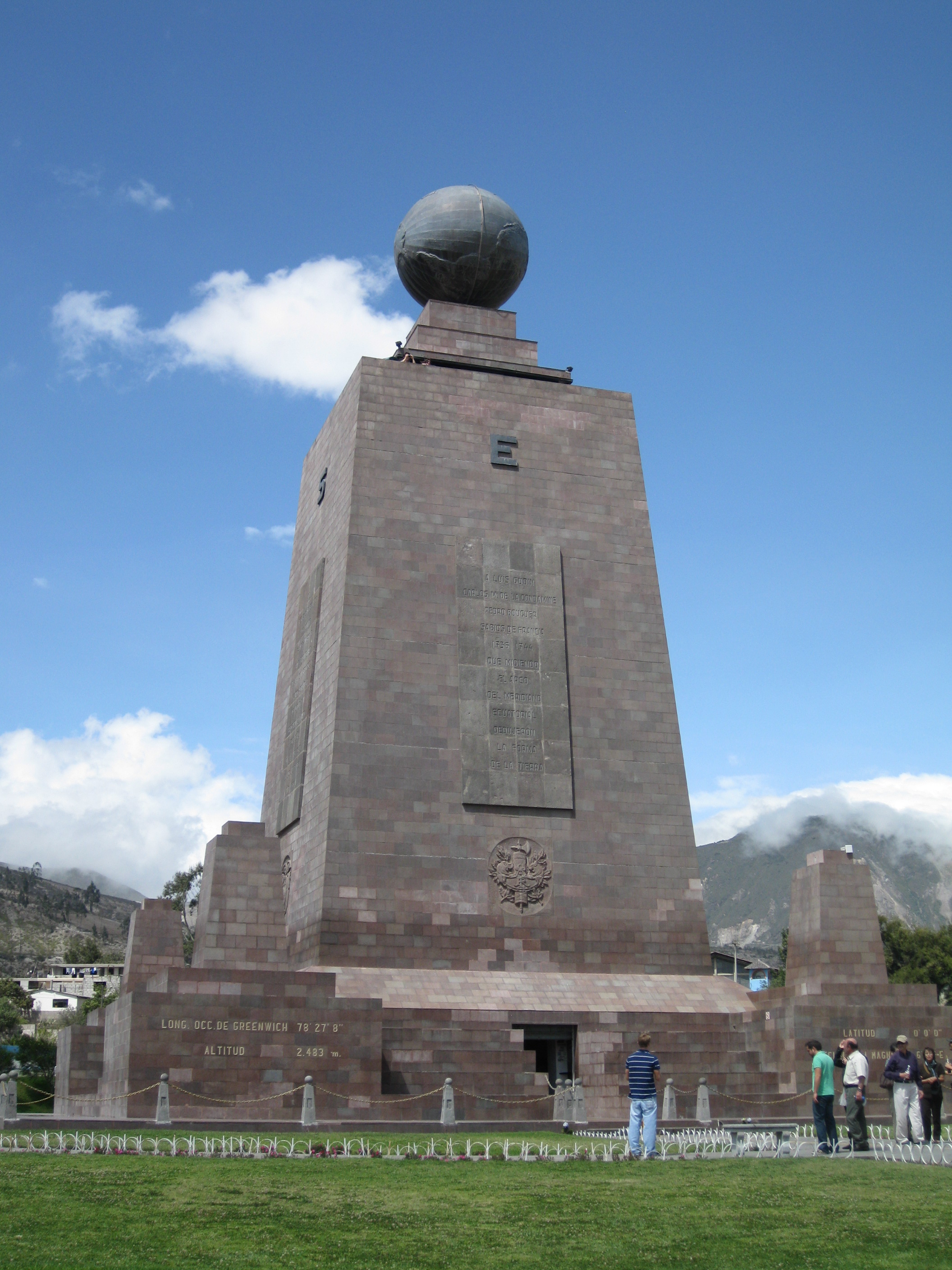
26 kilometers north of Quito, the Mitad del Mundo monument marks the point where the Equatorial Line crosses the country, dividing the planet into northern and southern hemispheres. The experience of placing one foot in each hemisphere simultaneously is as simple as it is symbolic, and remains one of Ecuador's most photographed moments.

Beyond the iconic photo, the complex offers a planetarium, an ethnographic museum, an amusement park and a craft market. A short distance away, the Intiñan Museum complements the experience with scientific demonstrations about the equator's effects on physics and astronomy. Centro del Mundo Tours organizes complete tours to the site from Quito.

Source: information at Centro del Mundo Tours

Mitad del Mundo
Church of La Compañía de Jesús

Church of La Compañía de Jesús

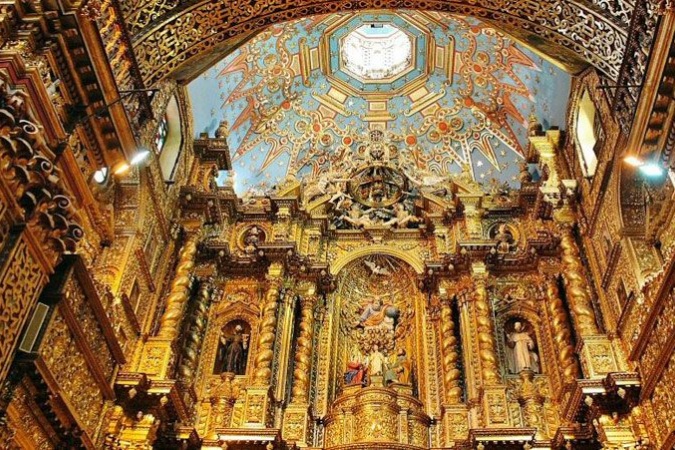
Called the "jewel of Latin American baroque," the Church of La Compañía de Jesús is one of the most extraordinary works of religious architecture in the world. Its construction spanned 160 years, from 1605 to 1765, and its interior covered in 23-karat gold leaf produces a sense of dazzlement that stays in memory long after the visit.

The volcanic stone facade, the main altarpiece, the paintings of the Sorrowful Virgin and the half-orange dome are just some of the elements that make this temple a destination in itself. With nearly 150,000 annual visitors, it is one of Ecuador's most visited sites. Ecuador's Ministry of Tourism and Pichincha Es Turismo agree: this is a must-visit in Quito.

Source: history and visit on Pichincha Es Turismo

Plaza Foch — The Heart of La Mariscal

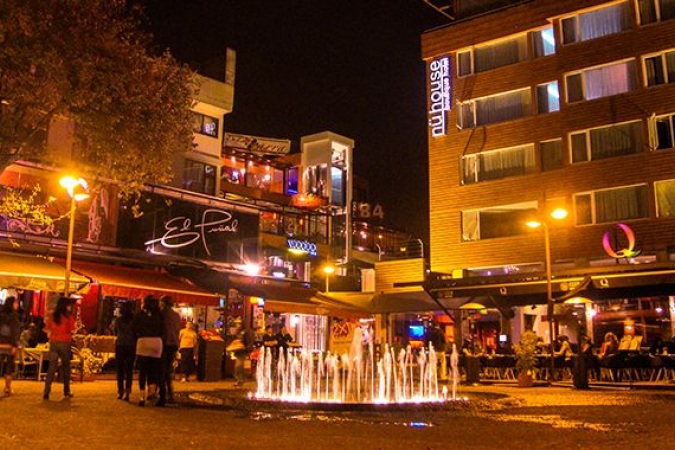
Plaza Foch, in the La Mariscal neighborhood, is the epicenter of Quito's cosmopolitan nightlife, entertainment and tourism. Known as "La Zona," it concentrates bars, nightclubs, international restaurants, cafés and multicultural meeting points that make this corner the most contemporary face of the city.

On Saturdays, the Asara fair fills the square with artisans and artists exhibiting works in wood, tagua, glass, fabric and recycled paper, alongside organic products like jams and artisanal chocolates. On weekends, live music makes the square vibrate with unstoppable energy. Expedia and Pichincha Es Turismo recommend it as an essential destination in the capital.

Source: La Mariscal guide on Pichincha Es Turismo

Plaza Foch — The Heart of La Mariscal

Travel with Rumbbo

Book your trip quickly and safely.

Download Rumbbo and travel today